Skip to product information
  • Xi Hu Long Jing (Dragon Well) 西湖龍井 loose leaf green tea
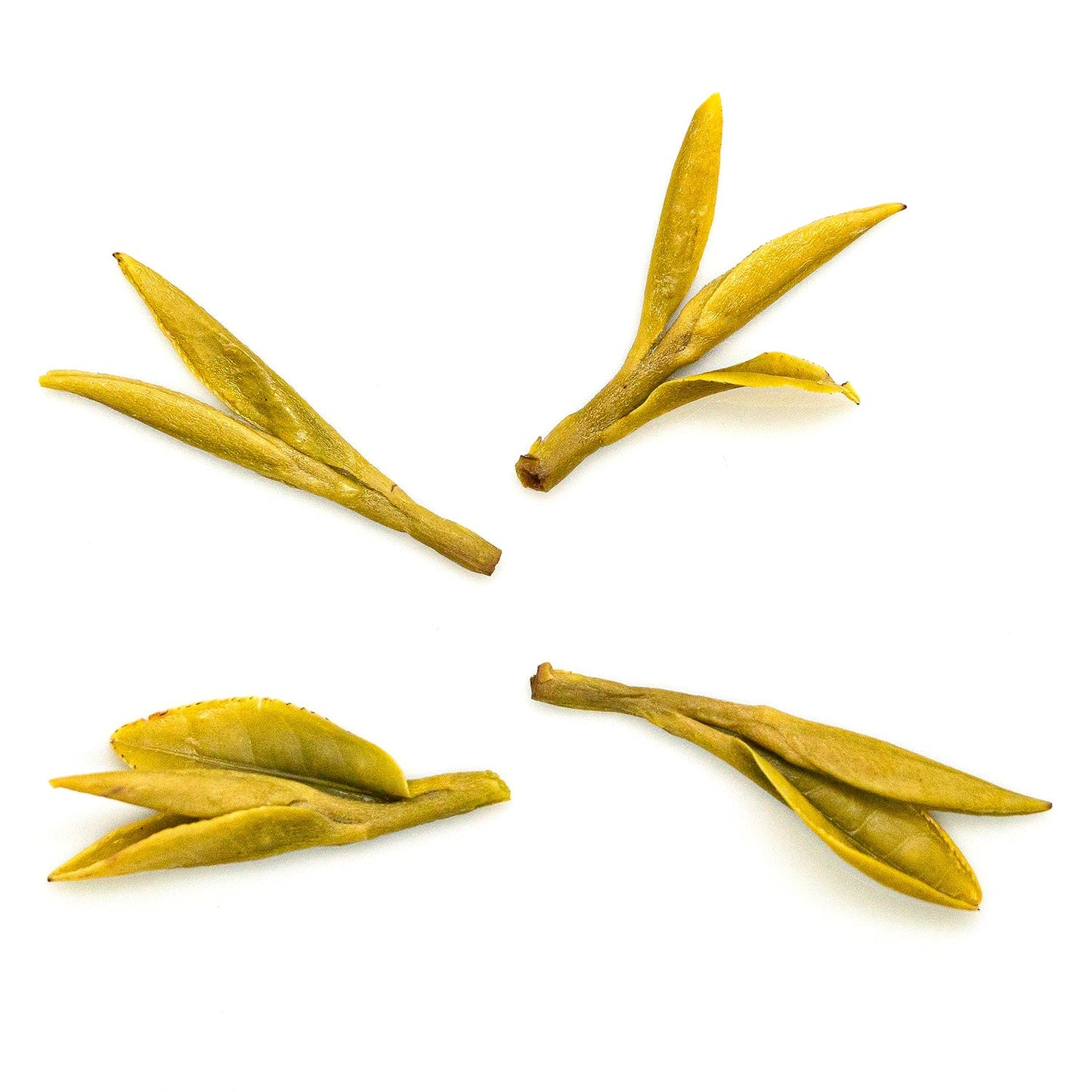
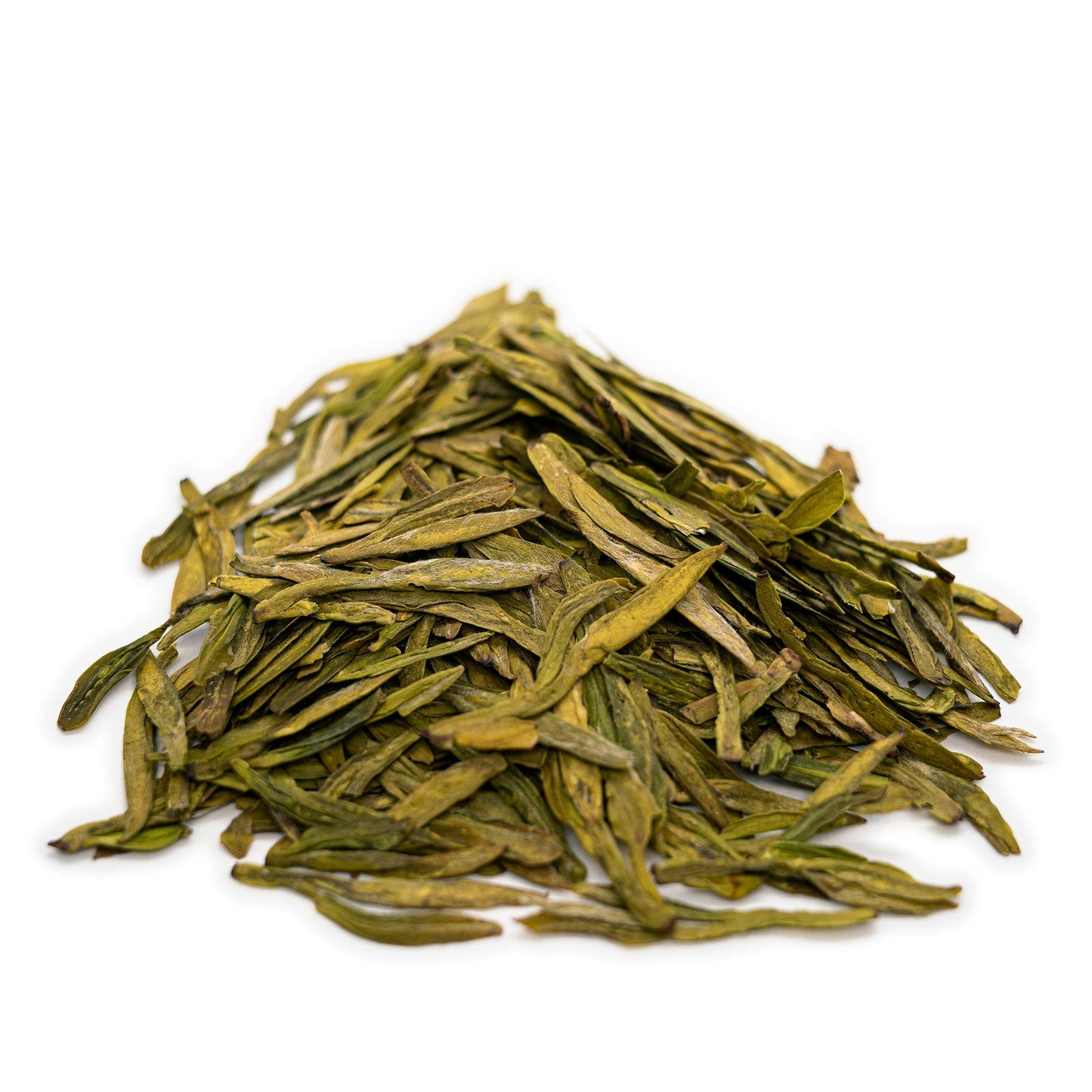
  • Xi Hu Long Jing (Dragon Well) — dry leaves
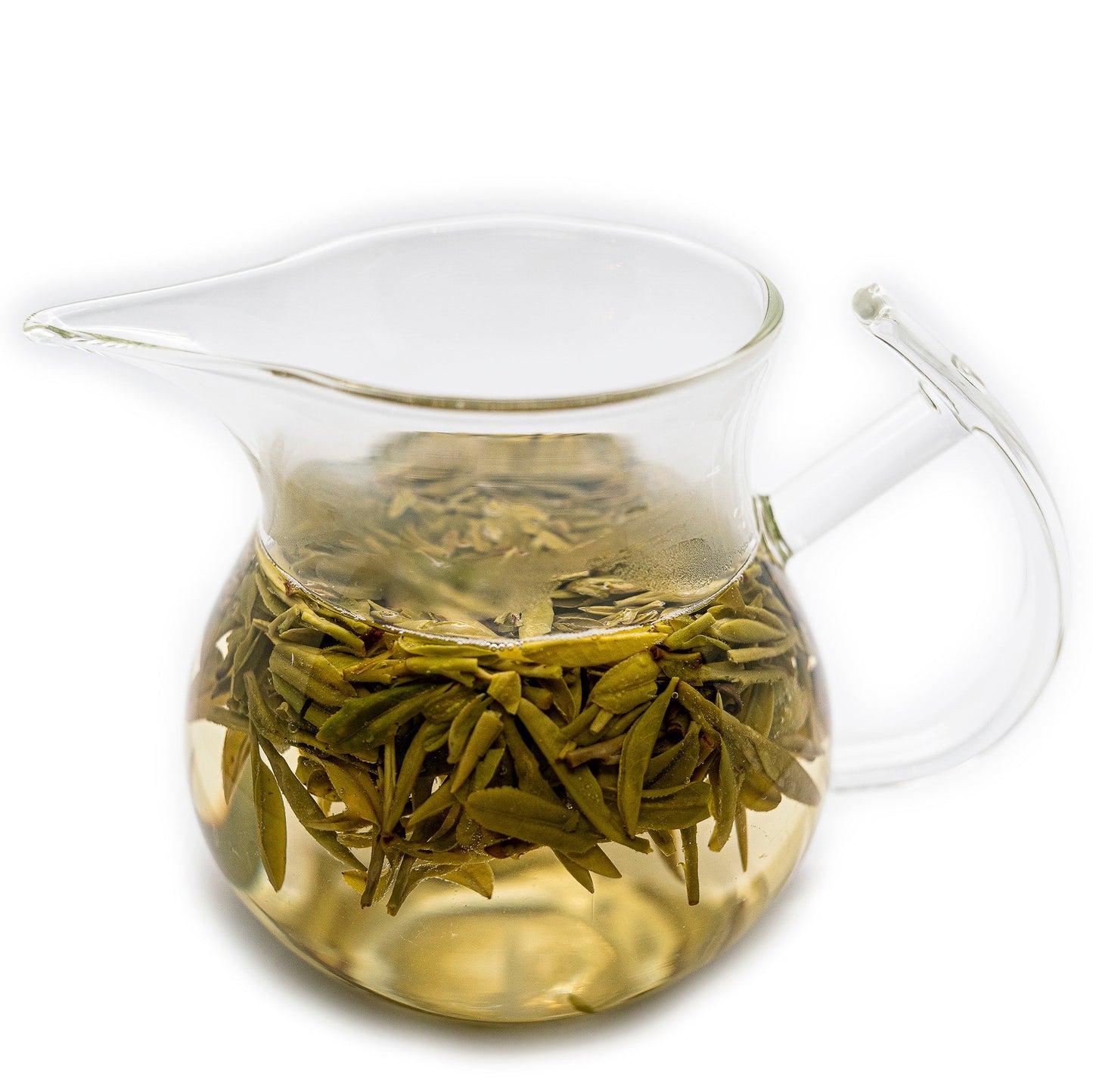
  • Xi Hu Long Jing (Dragon Well) — brewed in a gaiwan
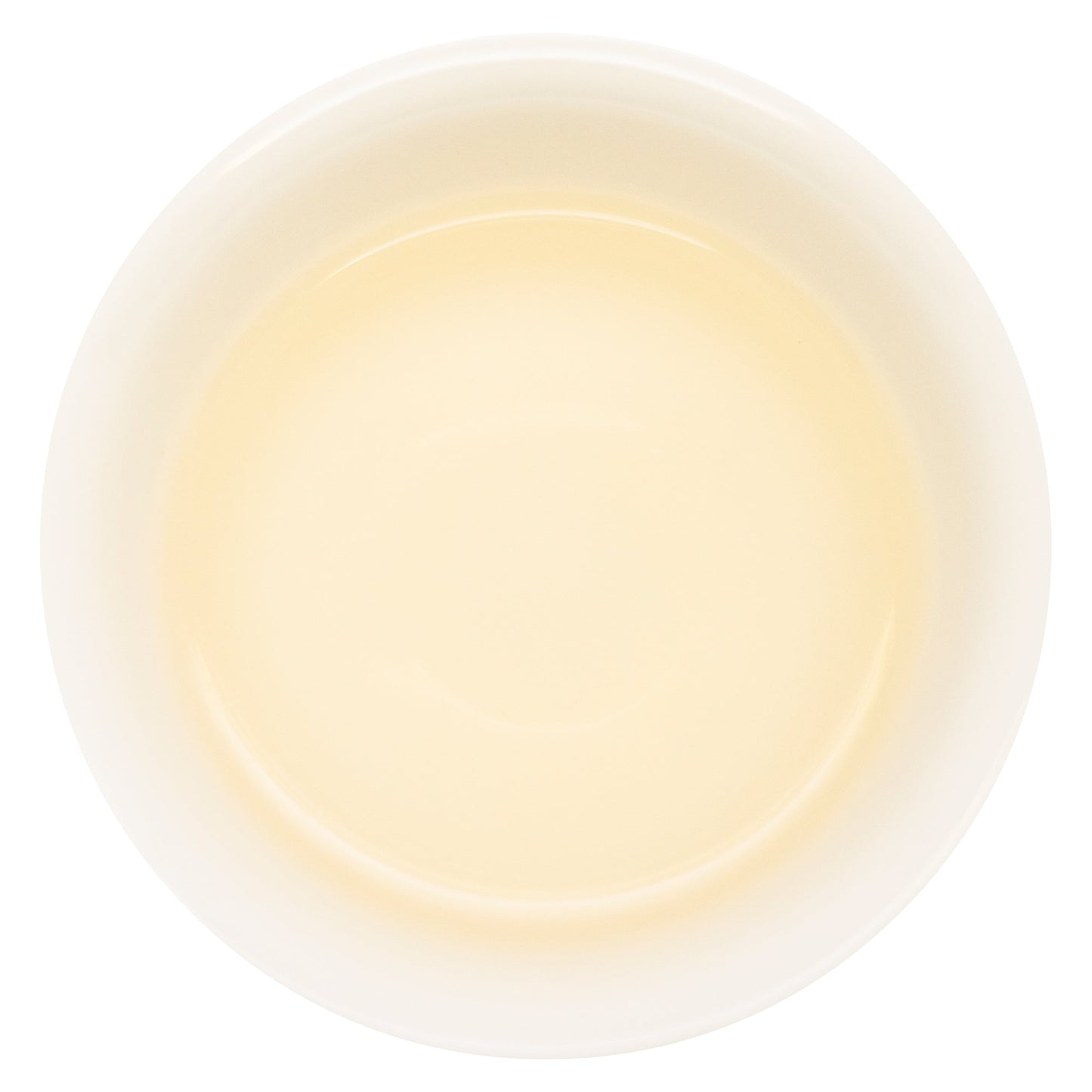
  • Xi Hu Long Jing (Dragon Well) — the brewed liquor
1 of 4

Green Tea

Xi Hu Long Jing (Dragon Well) 西湖龍井

Nutty, bold, and robust with a long floral finish

Regular price $139.00 USD
Regular price Sale price $139.00 USD

Vintage
Size

Shi Feng Shan’s Indigenous Heirloom, First Pluck 2023 green tea is umami-rich, with aromas of sweet cream and lemon zest and notes of chestnut.

Discover what makes Long Jing so prized, compare vintages in the Multi-Vintage Long Jing Tea Tasting Set, or explore why the Xi Hu terroir belongs in this tea’s name in What Tea Am I Drinking?.

This tea is also included in the Tea Sampler: The Ultra Luxe Selection.

About Xi Hu Long Jing (Dragon Well) 西湖龍井

Long Jing is China’s most famous green tea, and Xi Hu—West Lake in Hang Zhou—is its true historic terroir. Tea Drunk’s comes from Shi Feng Shan, Lion’s Peak, the highest-ranked terroir within Xi Hu. Long Jing is known for its bold, blunt body, chestnut-like nuttiness, floral depth, refined tannins, and long sweet finish.

Often regarded as the King Tea of China, Long Jing rose to extraordinary fame during the Qing Dynasty and is traditionally associated with Emperor Qian Long. Within Xi Hu, its terroirs are ranked Shi, Long, Yun, Hu, and Mei—Lion, Dragon, Cloud, Tiger, and Plum—with Shi Feng Shan at the top. This tea is made from indigenous heirloom trees rather than an early-budding clonal cultivar.

Long Jing is known for chestnut-like nuttiness, floral depth, weighty yet refined tannins, and a long, sweet, salivating finish. A well-made Long Jing holds nuttiness and florality together: bold and blunt rather than sharp, with a strong, centered structure.

After picking, the leaves rest in a thin layer under shade. The initial Sha Qing is completed in a machine designed specifically for Long Jing. The later shape making and fining are done by hand: the leaves are pressed flat and rubbed against the wok, removing the tea hair and developing Long Jing’s signature bold nuttiness. The finished tea then goes through Shou Hui, resting with limestone for at least three weeks to draw out the remaining moisture and bring the tea together.