

In China, many teas have long-standing legends and ties to great emperors or specific dynasties. Over the years, certain teas have received great acclaim and reverence. A list was created of teas commonly considered China’s most famous. But what qualifies a tea to be on this list?
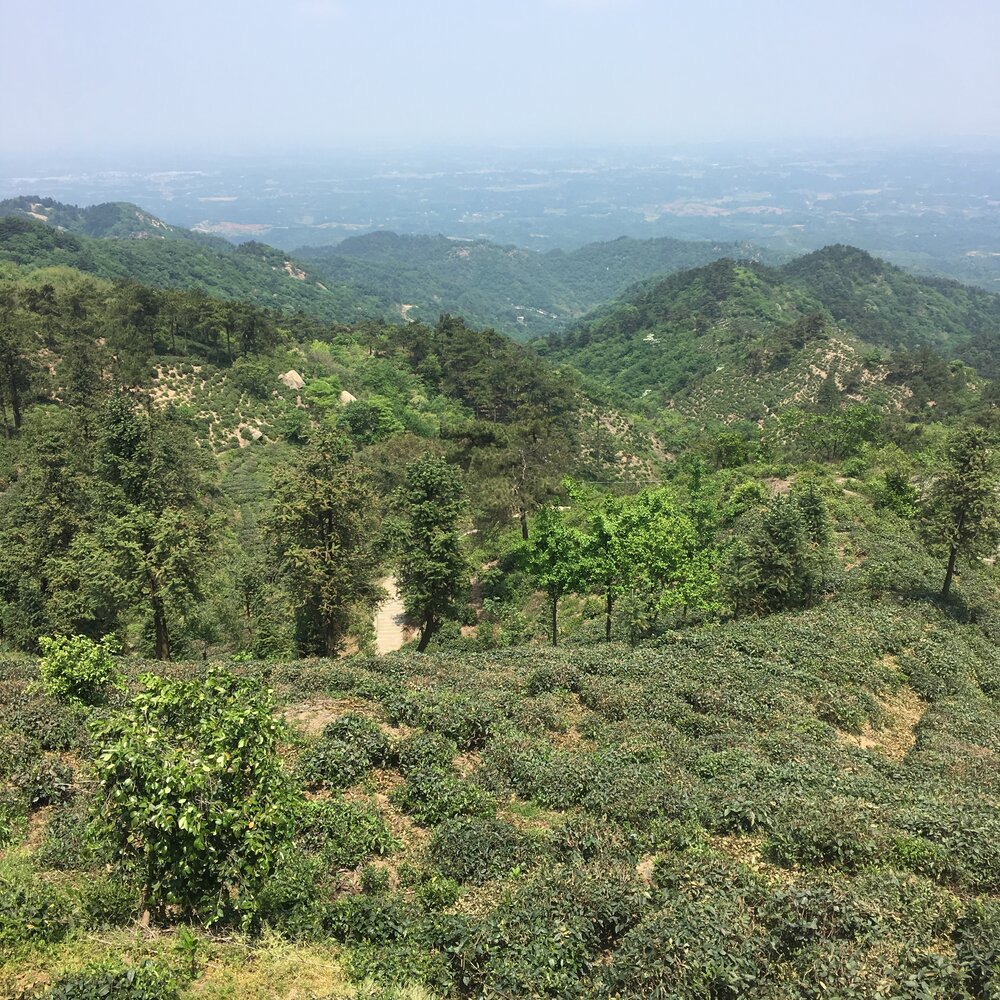
To be considered a Chinese Famous Tea, a tea needs not only the right style but also the correct and most historic terroir. Many of China’s famous teas are in the green and yellow categories. These are teas that have rigorous standards and specifications set around terroir, varietal, and craft, not by connoisseurs of this generation, but of generations before us. These teas are the legacy of a time when the finer things in life were appreciated and demanded. Each of these historically famous teas represents the pinnacle of a tea style that has many tawdry replicas nowadays. An authentic cup of historically famous tea is a timeless treat.
Tea Drunk specializes in this caliber of historically famous teas. Our unparalleled expertise allows us to commission and source teas that adhere to the rigorous standards set by a long heritage. It is our mission to bring the finest teas of China to the world. We have many of these famous teas in our Tea Drunk selection for you to experience:
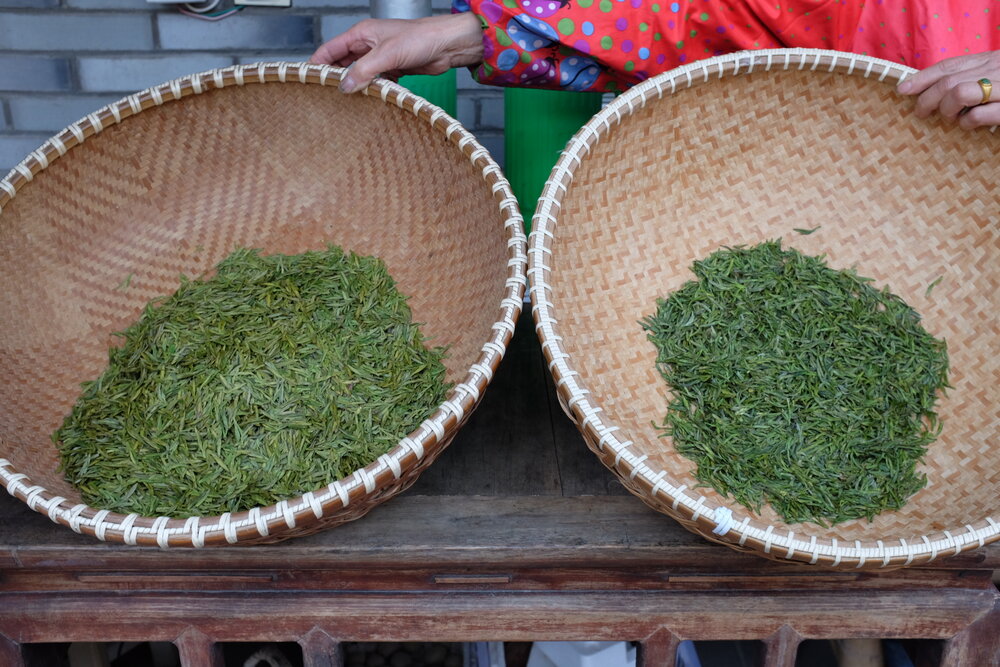
- West Lake Long Jing 西湖龍井
- Huang Shan Mao Feng 黃山毛峰
- Jun Shan Yin Zhen 君山銀針
- Qi Men / Keemun 祁門紅茶/紅毛峰
- Lu An Gua Pian 六安瓜片
- Xin Yang Mao Jian 信陽毛尖
- Bai Hao Yin Zhen 白毫銀針
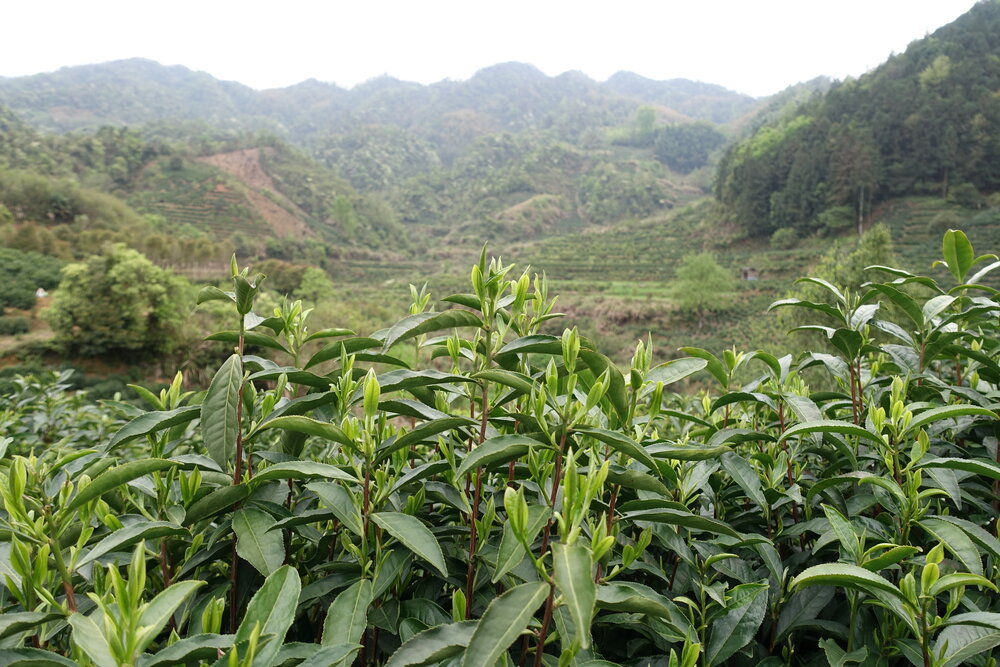
What Is Terroir?
We talk a lot about locational significance in addition to historical significance. Terroir is part of what makes the location so important. It is a combination of soil and climate in a location. Tea is a product of its location. Since no two places are the same, authentic tea must be grown in the region historically known for producing the specific variety of tea.
There Is a Difference Between a Historically Famous Tea and a Historic Tea
Many of China’s red teas fall into the category of historic tea, as do the popular Pu Er teas nowadays. Long story short, historic teas are teas that in the past were mass-produced primarily for export and trade. They were not deemed sophisticated enough for the domestic market back in the day. However, these teas now have merits such as very old tea trees, interesting history, and traditions. These teas have larger geographic areas for their authentic terroir, fewer varietal requirements, and much rougher processing methods. We are the generation that will refine and standardize specifications for these teas.
We hope this explanation helps you on your journey to understanding the complexities of Chinese tea culture and the significance our history holds in tea.
0 comments